


How Atlanta's Humid Climate Impacts Your Home's Exterior
 Summer stickiness. Afternoon storms. Shade from tall pines. In Atlanta, moisture lingers and leaves its mark. That is why many homes benefit from residential pressure cleaning that targets the grime humidity invites. Below, learn how local weather affects siding, concrete, decks, and fences, and how the right exterior cleaning services keep your home looking fresh longer.
Why Humidity Feeds Algae and Mildew in Atlanta
Warm, moist air is a growth engine for organic buildup. When surfaces stay damp after pop-up thunderstorms, algae and mildew take hold. Pollen and dust act like food for these organisms, and shaded areas dry more slowly. North-facing walls, spots behind shrubs, and low-traffic concrete stay wet the longest, letting stains deepen and spread.
Humidity also pushes fine particles into tiny surface pores. On vinyl siding, those pores catch pollen and soot. On brick and concrete, microscopic crevices trap moisture that leads to dark streaks. Wood decks and fences absorb water, which encourages mildew where sun is limited.
Common Trouble Spots Around Your Home
Siding and Trim
Look for green or black film on vinyl, fiber cement, or painted wood. It often shows first under eaves and around window trim where airflow is poor. Left alone, growth can etch paint and dull the finish. A low-pressure soft washing approach removes buildup without harming the surface.
Driveways and Walkways
Concrete holds moisture in shaded sections, especially along the edges where soil meets slab. You may see dark bands, slippery patches, or orange rust-like stains from metals and irrigation. Professional cleaning lifts embedded grime and helps restore uniform color.
Decks and Fences
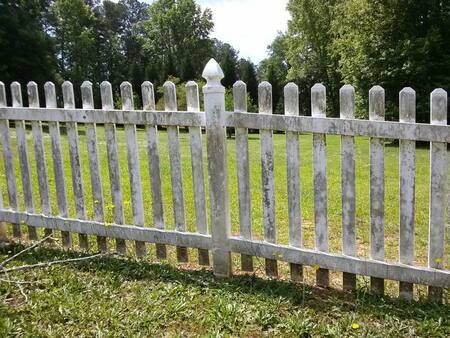
Wood soaks up water. In neighborhoods with tree cover like Kirkwood, Virginia-Highland, and Grant Park, mildew appears faster on railings and under benches. Soft washing with the right solutions helps with algae removal while protecting the wood fibers.
Roof Edges and Gutters
Roof drip lines and fascia boards stay damp after storms. Overflowing gutters streak siding and can stain concrete below. Keeping these areas clean reduces the chance that runoff will track grime down your walls and onto your porch or driveway.
Seasonal Patterns Atlanta Homeowners Should Expect
Spring brings high pollen that sticks to damp siding and decks. Summer adds daily heat and frequent showers, perfect for algae spread. Fall means leaf litter that traps moisture on concrete and wood. Winter is milder but still humid, so surfaces rarely get a long dry reset.
Homes near creeks, lakes, or heavy tree canopy often see faster buildup. Shaded intown lots can show green tint weeks earlier than sunny, open sites. After stretches of back-to-back storms, the pace of staining increases.
Preventative Maintenance With Soft Washing and House Washing
Soft washing uses low pressure and targeted cleaners to remove growth without damage. It is ideal for siding, trim, and painted surfaces. House washing addresses the whole envelope, so stains do not reappear from missed sections. For tougher concrete, technicians adjust methods to clean thoroughly while protecting joints and coatings.
If you have been wiping the same spot on the porch rail for weeks, it is time to step up to professional care. A scheduled plan reduces re-growth and protects curb appeal between service visits. When needed, add targeted mildew removal services for shaded sides and damp corners.
For broad exterior care that handles siding, driveways, and more, learn how pressure washing fits into a whole-home plan alongside soft washing for delicate areas.
Local insight: After consecutive afternoon storms, shaded north and east sides in Atlanta can stay damp well into the next day. Booking cleanings before peak summer humidity helps reduce stubborn re-growth.
How Often Should You Schedule Residential Pressure Cleaning
Frequency varies by shade, tree cover, and surface materials. Most Atlanta homes benefit from a whole-home wash about once a year, with touch-ups for shaded sides sooner. Homes under dense canopy or near busy roads may need service more often because soot and pollen cling to damp areas.
Signs you are due for service:
- Green, black, or reddish stains that return soon after rinsing
- Slippery patches on steps or walkways after rain
- Faded paint sheen or dull siding color that will not brighten with a hose
- Dark streaks below gutters or along drip lines
When you notice these, schedule residential pressure cleaning before stains harden and spread. Timely cleanings protect paint, reduce slip hazards, and help surfaces dry quicker after storms.
Our Process at All Clean Pressure Cleaning Service for Exterior Cleaning Services
We start with a careful walkaround to spot shaded zones, runoff paths, and high-risk areas like delicate trim and wood grain. Then we apply solutions matched to your surface and local staining. Soft washing removes buildup on siding and trim, while controlled techniques lift grime on concrete and pavers without stressing joints.
Technicians rinse thoroughly so residues do not attract new dirt. We finish with a quality check to confirm even results. This approach supports house washing, algae removal, and targeted mildew removal services that suit Atlanta's humid cycle.
Skip harsh high-pressure on siding and shingles. High force can drive water where it should not go or scar the surface. The right method cleans deep while protecting finishes.
Care Tips Between Professional Cleanings
You do not need to tackle heavy cleaning yourself, but small habits help. Keep shrubs trimmed back to improve airflow. Blow off leaves and pollen from decks and steps after storms. Check gutters so overflow does not streak your siding or stain concrete below.
- Clean before peak summer humidity if you can. Freshly cleaned surfaces shed water better, which slows re-growth.
- Watch north-facing and tree-shaded sides; they are usually first to show green film.
- Sweep standing puddles from flat concrete to reduce dark patches.
Neighborhood Notes Across Atlanta, GA
In Buckhead, heavier tree cover keeps decks and fences damp longer. Along the BeltLine and in Grant Park, frequent foot traffic stirs up dust that bonds to moisture on siding. In-town homes with narrow side yards trap humidity against walls. Farther out near Decatur and Sandy Springs, morning shade and tall pines can hold dew on driveways until midday.
Do not ignore early signs of algae. The first light film is easiest to remove and less likely to stain paint or concrete. Quick action keeps your home ready for guests and showings, especially during spring real estate season.
Results You Can Expect
After a proper cleaning, surfaces look brighter and feel less slick after rain. Siding color pops again. Concrete shows a more even tone. Wood grain stands out and dries faster in normal conditions. With a maintenance plan, these improvements last through the wettest stretches.
Benefits include:
- Improved curb appeal that lasts through humid months
- Cleaner, safer walkways and steps
- Less stain migration from gutters and drip lines
- Protection for paint and finishes on siding and trim
Protect Your Home and Curb Appeal Today
Atlanta's weather will not let up, but a steady plan will keep stains in check. If your siding looks tired or your steps feel slick after storms, schedule residential pressure cleaning with All Clean Pressure Cleaning Service. For a broader overview of solutions and to explore services, start with pressure washing in Atlanta, GA, and see how routine care reduces build-up through our humid seasons.
Have questions about soft washing or house washing around shaded sides, decks, or fences? Call us at 678-877-7440. Our team will recommend a plan that fits your home's materials and exposure, then schedule a visit when weather timing is right.
Your home is one storm away from new stains. With a consistent exterior cleaning schedule, you stay ahead of algae and mildew and keep your property looking its best.


